


Thursday, 4 December 2025
25 C
Singapore
21 C
Thailand
20.7 C
Indonesia
26.9 C
Philippines

China launches antitrust probe into Google

China retaliates against Trump’s 10% tariffs by launching an antitrust probe into Google and imposing new levies on U.S. exports, escalating trade tensions.

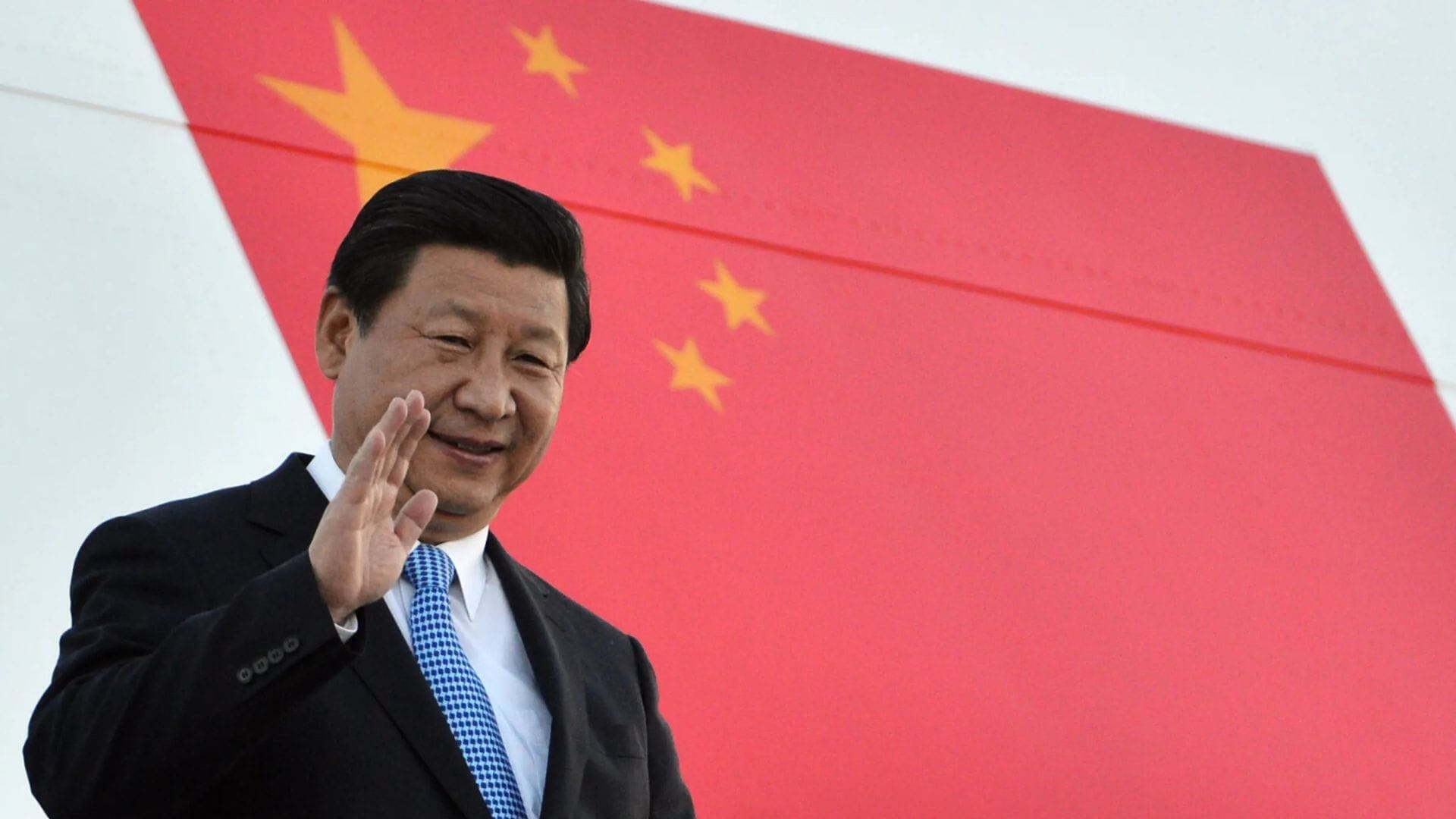
In response to the latest tariffs imposed by U.S. President Donald Trump, China has announced an antitrust investigation into Google. The move comes after Trump implemented a 10% tariff on Chinese goods, reigniting trade tensions between the two economic superpowers.

On Tuesday, China’s State Administration for Market Regulation (SAMR) confirmed that it is examining the U.S. tech giant for potential monopolistic practices. While Google’s search and internet services have been blocked in China since 2010, the company continues to operate within the country, primarily focusing on advertising.

According to an official statement from the regulatory body, “Because Google is suspected of violating the Anti-Monopoly Law of the People’s Republic of China, the State Administration for Market Regulation has launched an investigation into Google in accordance with the law.”

Beijing imposes new tariffs and restrictions

In addition to the investigation, China has taken further retaliatory measures against the United States. Beijing has imposed a 15% tariff on U.S. coal and liquefied natural gas exports and implemented a 10% tariff on oil and agricultural equipment.

Furthermore, Chinese authorities have added Calvin Klein owner PVH Corp. and gene sequencing firm Illumina to their restricted entities list. This move places additional constraints on U.S. companies operating in China. Beijing has also introduced new export controls on tungsten-related materials, a critical resource for various industries, including electronics and defence.

Trade tensions reignite between economic giants

Trump justified the latest tariffs by citing China’s failure to prevent the flow of illegal drugs into the United States. However, the move has led to an immediate backlash from Beijing, worsening relations as both nations appeared to be moving towards economic stability.

The ongoing trade dispute between the U.S. and China has seen multiple rounds of tariffs, countermeasures, and negotiations, with each side seeking leverage. The latest developments signal that tensions are far from over, with potential ramifications for global trade and economic stability.
Hot this week

Let It Die: Inferno launches with extensive AI-generated elements

Let It Die: Inferno launches on 3 December with AI-generated voices, music, and graphics, sparking debate among fans.

Ayaneo unveils the Next II, a powerful handheld with a 9-inch display

Ayaneo reveals the Next II handheld with a 9-inch OLED display, a Ryzen AI Max+ chip, and advanced controls, aimed at high-end gamers.

Meta and Google reportedly close to landmark AI chip agreement

Meta is in talks with Google on a major AI chip deal that could reshape the competitive landscape across cloud and hardware markets.

Singapore orders Apple and Google to stop spoofed government identities on messaging apps

Singapore orders Apple and Google to block spoofed government identities on messaging apps to curb rising impersonation scams.

Solera highlights AI, sustainability and leadership at Insurtech Insights Asia

Solera showcases AI innovation, sustainability initiatives and leadership programmes at Insurtech Insights Asia in Hong Kong.

HPE expands AI-native networking portfolio and outlines vision for self-driving IT operations

HPE expands its AI-native networking portfolio with new AIOps features, hardware, and hybrid cloud tools designed for self-driving IT operations.

Kyndryl and Microsoft report rising sustainability commitment among Singapore businesses

Most Singapore businesses are expanding sustainability efforts but face challenges with data quality and limited AI adoption.

UnionBank adopts Amazon Quick Suite to accelerate data-driven decision making

UnionBank deploys Amazon Quick Suite to expand access to data analytics and speed up decision making across its organisation.

Kargo Technologies outlines plan for 40,000-vehicle EV shift by 2035

Kargo Technologies sets a 2035 target to deploy 40,000 electric vehicles and build an AI-driven Electrified Silk Road across Asia.

Related Articles

Popular Categories