


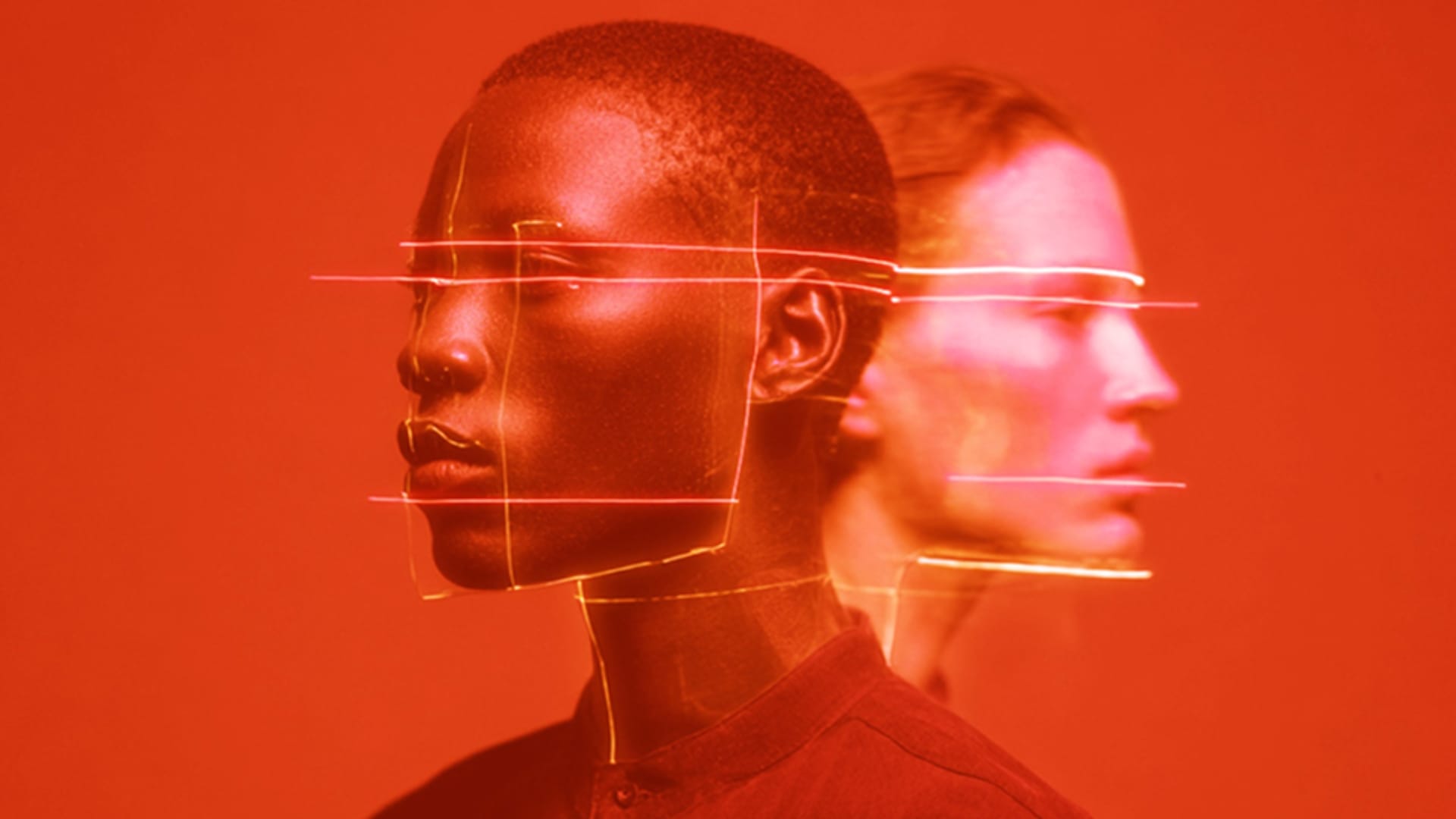
Sumsub has launched Adaptive Deepfake Detector, an upgraded model designed to identify emerging deepfake fraud without waiting for scheduled offline model updates.
The verification platform said the new system addresses a weakness in traditional deepfake detection tools, where updates can take weeks or months to launch and implement. During that gap, new attack methods can bypass defences before detection models are retrained.
A faster response to evolving deepfake attacks
Sumsub said the new detector uses machine learning-driven online self-learning updates, allowing the model to adapt within hours rather than weeks or months. The system continuously learns from fraud signals across multiple layers and adds emerging deepfake types or injection methods to its known threats list.
The launch comes as fraud attacks become more complex. According to Sumsub, multi-step attacks rose by 180% in 2025 and accounted for 28% of all fraud detected on its platform globally. The company said AI-generated deepfakes have been growing since 2023, with no clear sign of slowing across markets.
“In 2026, the threat landscape has evolved, demanding risk management teams to respond with the next-generation fraud prevention models. Modern deepfakes can no longer be detected by the human eye, and decision-making should be based on multiple signal analysis in real time”, said Nikita Marshalkin, Head of Machine Learning at Sumsub. “That’s why we launched our upgraded Deepfake Detector, offering clients not just a tool, but rather an online learning system that combines advanced document checks, device intelligence, and fraudulent networks analysis to complement deepfake detection capabilities. When the price of failure is too high, a comprehensive approach to the increasing AI-driven fraud challenge is the answer we need”.
Detection moves beyond visual inspection
Sumsub said deepfake detection can no longer rely only on inspecting visual content. The company said risk teams need to assess the full context of a user session, as fraudsters may use deepfake images, voices or videos alongside injection methods.
The new detector collects signals from documents, geolocation, IP address, device signals, facial biometrics and liveness data. It also cross-checks verification information from multiple users to identify fraudulent network activity.
This multi-layered approach gives the system more context than a single anomaly vector. Sumsub said each new observation allows the model to adjust its parameters without manual retraining.
Online learning reduces update delays
The main technical change is the move towards an online learning model. Instead of waiting for scheduled training cycles or regular human review, the detector updates continuously as new fraud patterns appear.
Sumsub said the detector’s decision boundary shifts as threats evolve, improving its ability to account for new fraud methods. The company said this pushes average detection accuracy close to 100%.
The Adaptive Deepfake Detector is part of Sumsub’s broader verification platform, which covers identity verification, business verification and ongoing monitoring for compliance and fraud prevention.