


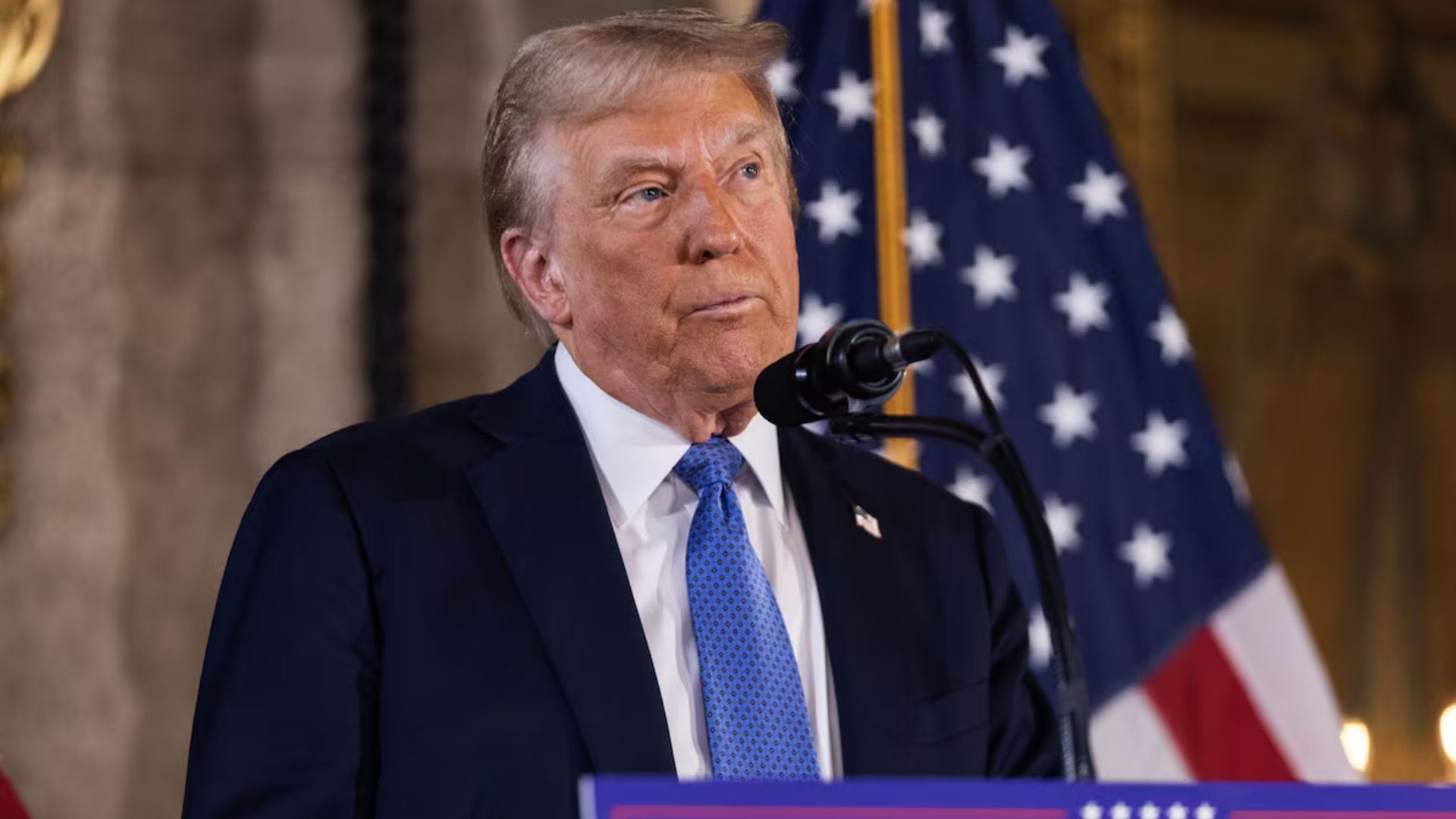
During a rally in Phoenix, Arizona, Donald Trump, the incoming US president, suggested that TikTok might continue operating in the United States on Sunday. The app played a key role in his election campaign, delivering what he described as “billions and billions of views.” This marks one of Trump’s clearest signals that he opposes forcing TikTok out of the US market despite ongoing national security concerns raised by lawmakers.
TikTok under scrutiny for security concerns
In April, the US Senate passed legislation requiring TikTok’s parent company, ByteDance, to divest the app due to fears of Chinese government influence. The law aims to mitigate risks tied to data access and content moderation. ByteDance has challenged the legislation, and the Supreme Court has agreed to review the case.
If ByteDance loses and does not comply with divestment requirements, TikTok could face a nationwide ban as early as January 19, one day before Trump takes office.
Trump expressed his ambivalence about the issue, stating at AmericaFest, an event hosted by the conservative group Turning Point:
“I looked at the data, and it was incredible—billions of views. Maybe we should keep this app for a little while longer.”
He revealed his campaign’s successful platform use, noting that it achieved record-breaking engagement. On Monday, Trump met with TikTok’s CEO and later acknowledged a “warm spot” for the app, further highlighting its role in his electoral strategy.
The Justice Department maintains that TikTok’s ties to China threaten US security. However, TikTok disputes this, asserting that its user data and recommendation engine are managed in the United States through Oracle servers.
Trump and Putin: Possible talks on Ukraine
In a surprising twist, Trump also addressed the ongoing war in Ukraine, indicating he might consider meeting Russian President Vladimir Putin to discuss ending the conflict. Putin recently expressed openness to talks, stating he was ready to meet Trump whenever feasible.
During Sunday’s rally, Trump referred to Putin’s comments, reiterating his campaign pledge to end the war, which he claimed had cost “millions” of soldiers’ lives. However, Trump stopped short of committing to a meeting or providing details about a potential resolution.
Trump’s victory in November has raised concerns about the future of US military support for Ukraine under President Volodymyr Zelensky. Last week, Trump suggested Zelensky should be prepared to strike a deal, possibly allowing Russia to retain some seized territories.
Social and domestic issues dominate Trump’s agenda
In addition to foreign policy, Trump outlined his priorities for his first day in office. Promising a crackdown on “transgender lunacy,” he pledged to sign executive orders banning transgender individuals from the military and removing gender ideology from schools.
“We will stop child sexual mutilation and restore sanity,” Trump declared, adding that the federal government would formally recognise only two genders, male and female.
He also promised to bar transgender athletes from competing in women’s sports, a policy that has gained traction among conservative lawmakers.
Further, Trump vowed immediate action to address “migrant crime” by designating drug cartels as foreign terrorist organisations and hinted at restoring US control over the Panama Canal.
These pledges highlight the ongoing political polarisation around LGBTQ+ rights and immigration in the US. Last week, Congress passed a defence budget that included limits on funding for gender-affirming care for transgender children of service members, reflecting a broader push by Republicans to challenge such policies.